Israel in March: Spring Blooms & Purim Festivities
March in Israel signals the vibrant transition from winter’s embrace to the exhilarating energy of spring. The landscape bursts into a kaleidoscope of wildflowers, while the streets come alive with the year’s most extravagant celebrations. This guide offers insights into experiencing Israel’s unique charm, perfectly blending nature’s awakening with spirited cultural festivities.
Unveiling March’s Unique Experiences
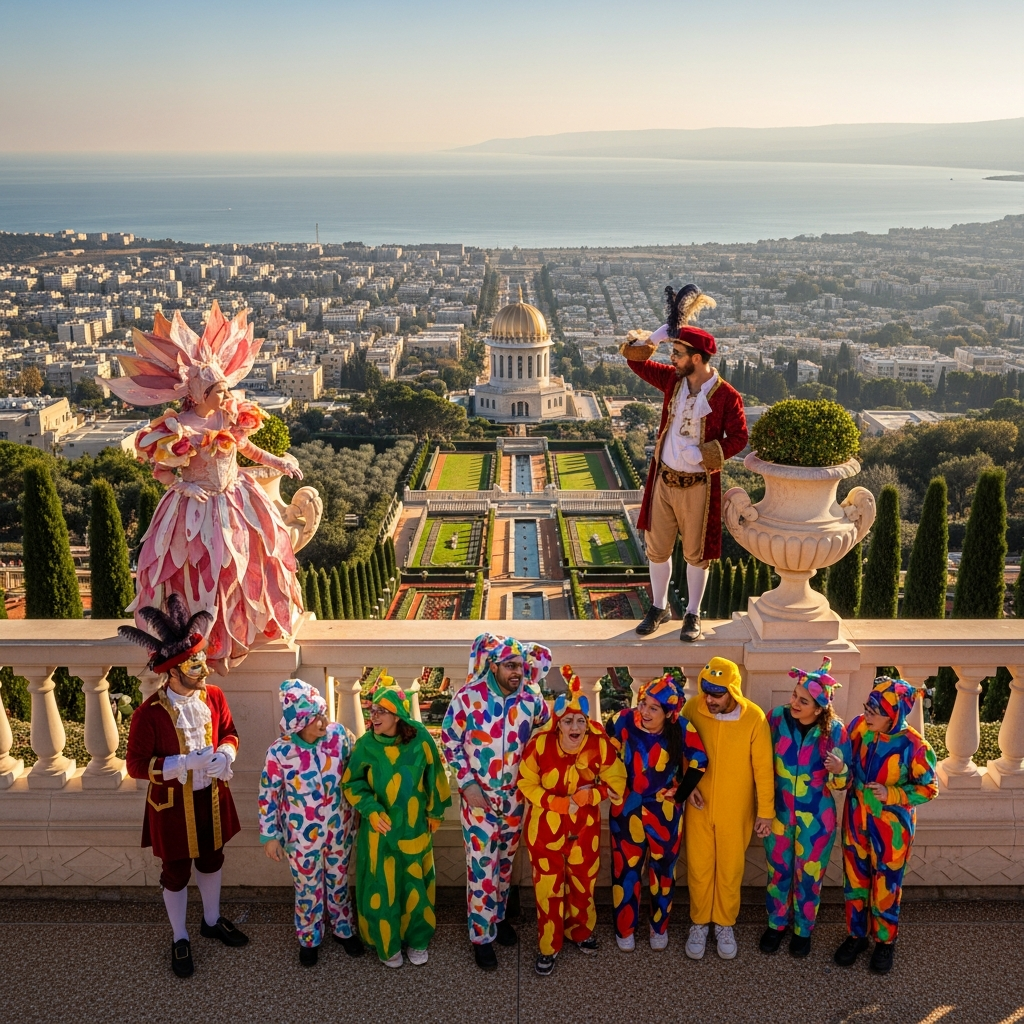
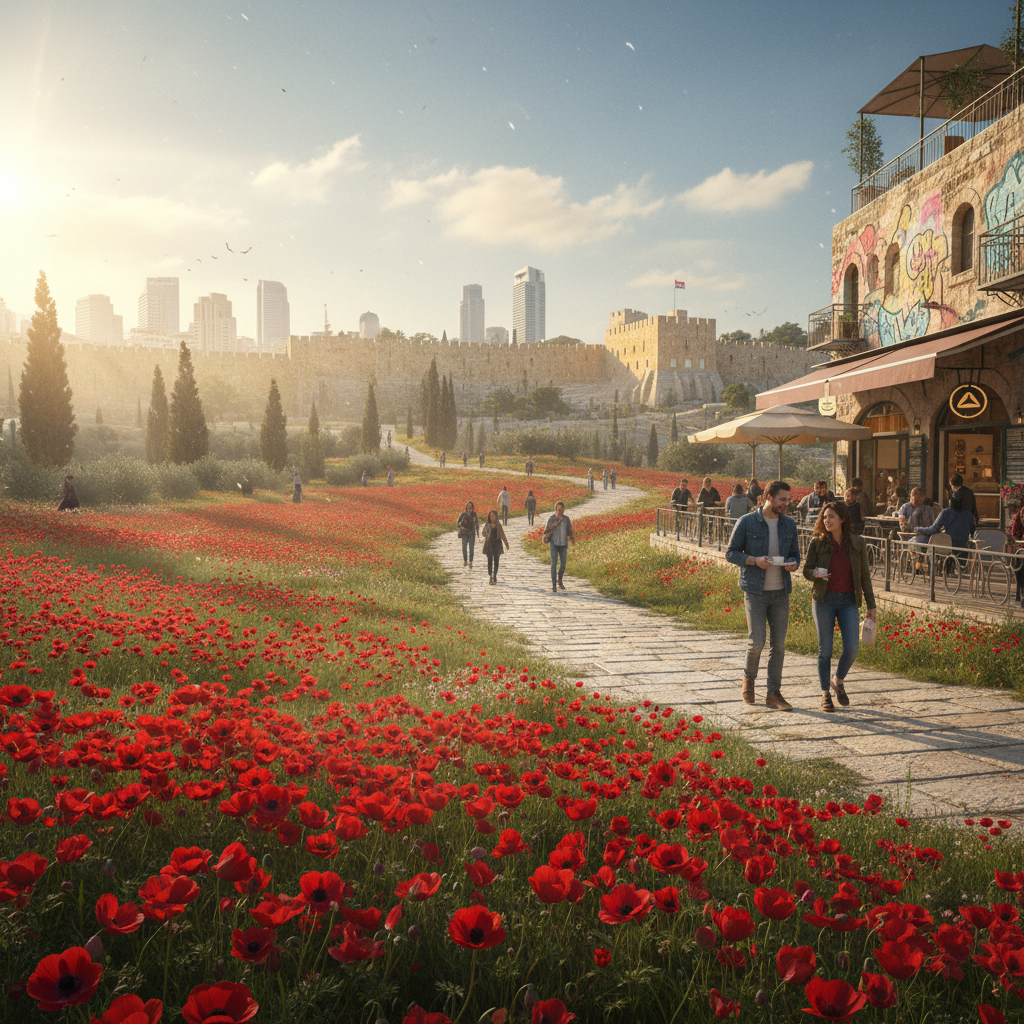
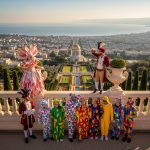
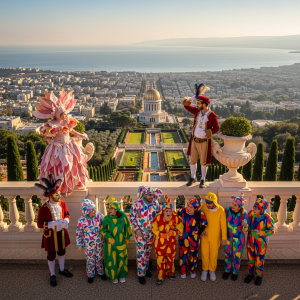
This period perfectly coincides with Purim, typically falling in early March, transforming cities like Tel Aviv and Jerusalem’s Nahlaot into stages for elaborate costume parades and joyous street parties. Simultaneously, the Negev desert undergoes its annual ‘Darom Adom’ phenomenon, where fields of crimson anemones create a breathtaking natural spectacle. Whether you’re drawn to urban revelry or serene natural beauty, March presents an ideal backdrop for diverse experiences.
- The Baha’i Gardens from Below: While many admire the Baha’i Gardens from their upper terraces in Haifa, a distinct perspective awaits from the German Colony at dusk. Capture the gardens illuminated, ascending like a golden pyramid against the deep blue twilight sky, offering a stunning, almost futuristic vista.
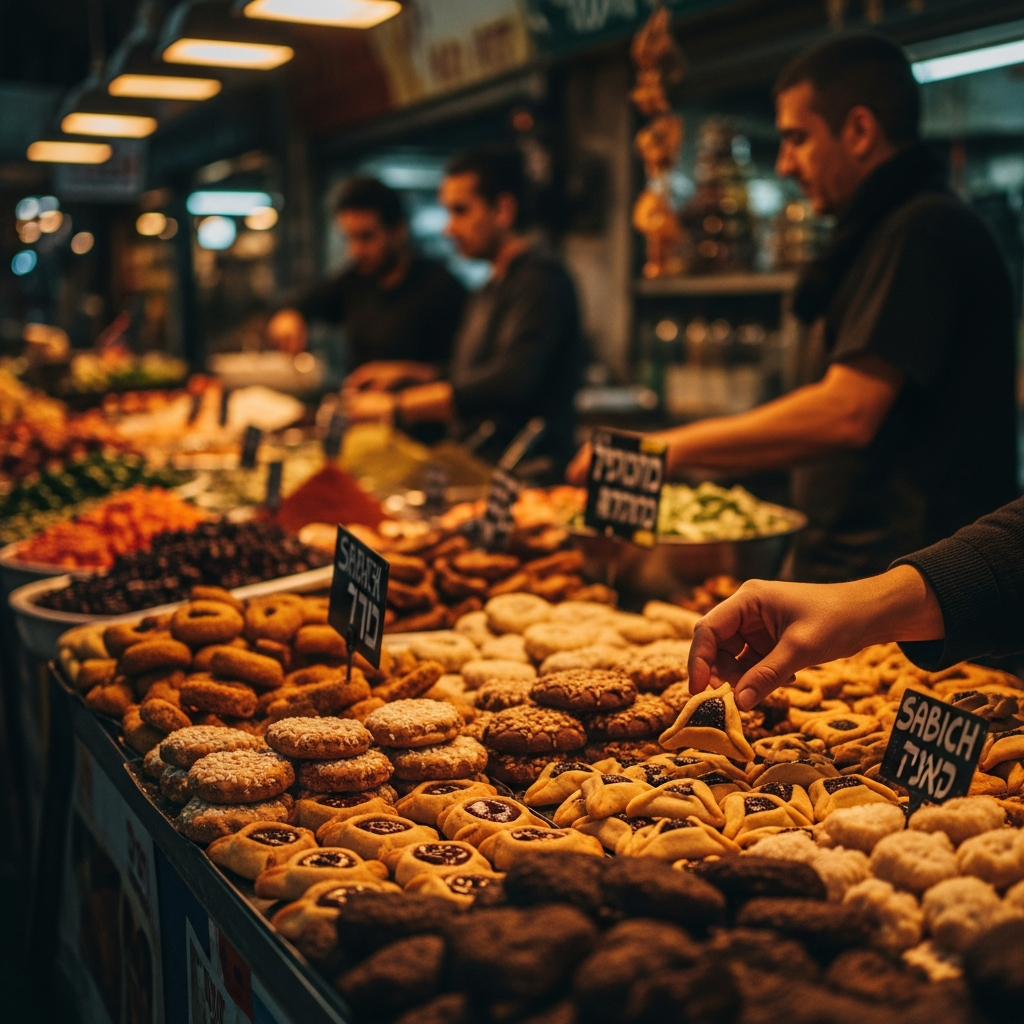
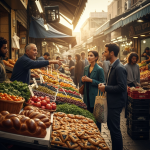
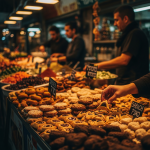
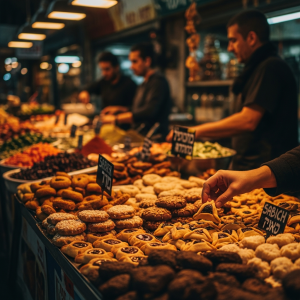
- Shuk HaCarmel’s Hidden Art: Beyond its bustling stalls, Tel Aviv’s Shuk HaCarmel reveals a secret art gallery when market shutters are down. Visit early morning or late afternoon to discover vibrant graffiti murals, perfect for an edgy portrait against textured metal under the soft light.
- Jaffa Flea Market’s Intimate Details: Rather than broad shots, seek out the intricate beauty within Jaffa’s side alleys. Focus on a quiet antique stall, where dappled sunlight through awnings highlights vintage books or ornate tiles, creating a cinematic, character-rich photograph.
Embrace Local Etiquette
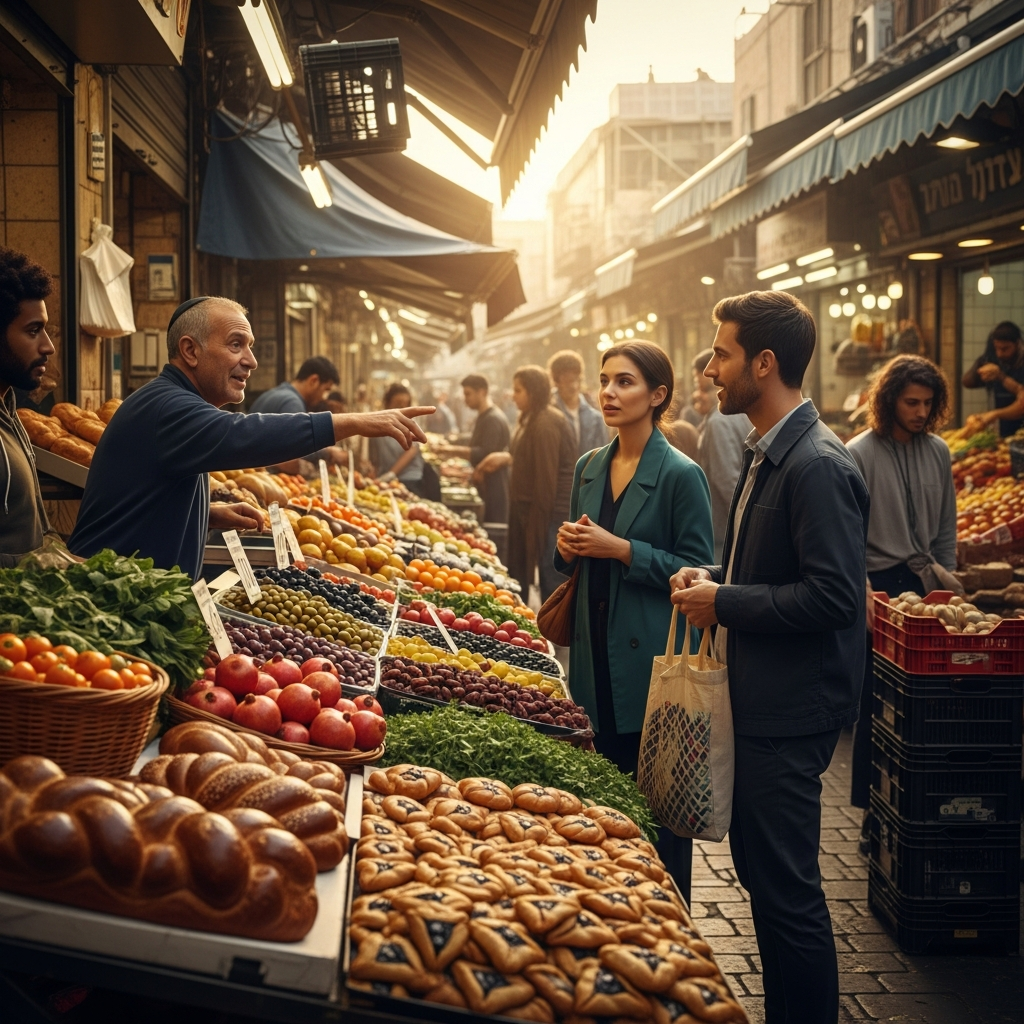
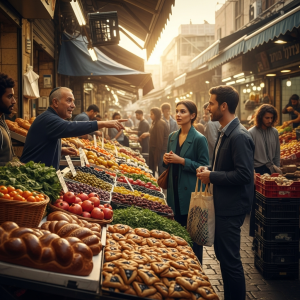
When navigating local markets, a friendly exchange with vendors is welcome, but aggressive haggling over minor sums is generally not in keeping with local customs. Approaching interactions with respect for local traditions enhances the experience, fostering genuine connections rather than transactional disputes.